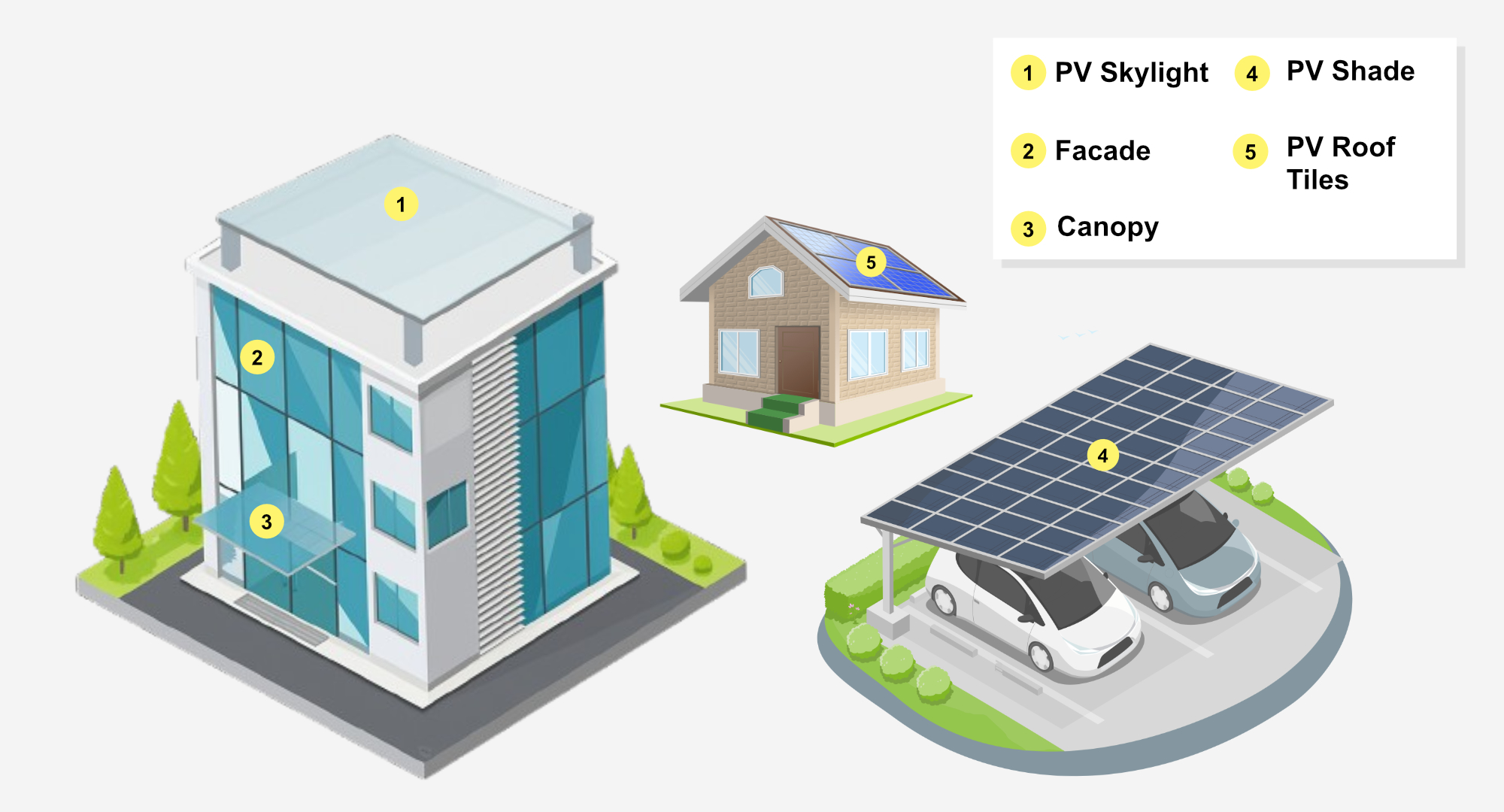
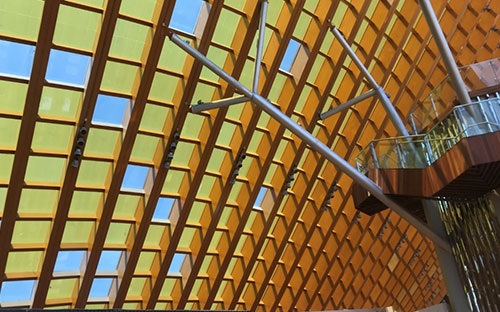
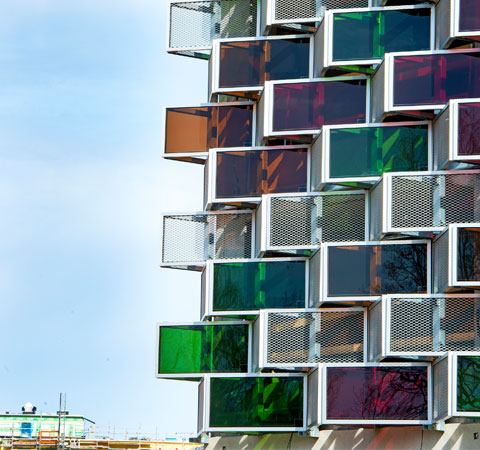

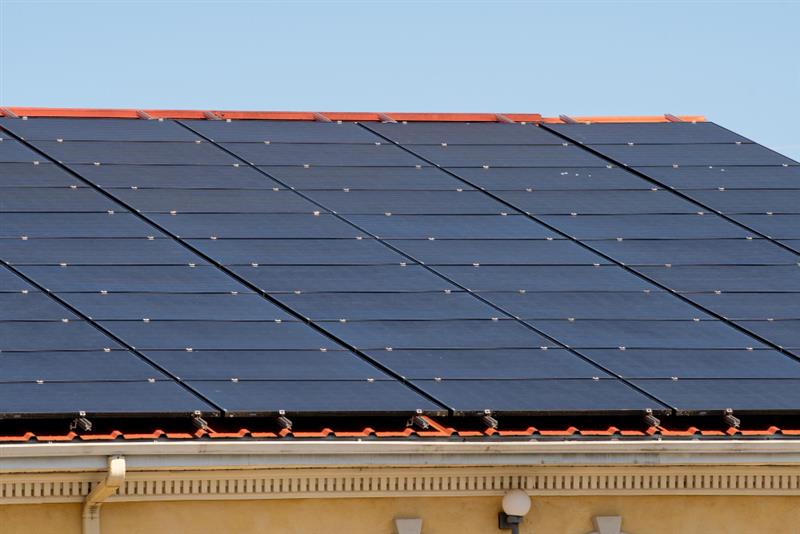
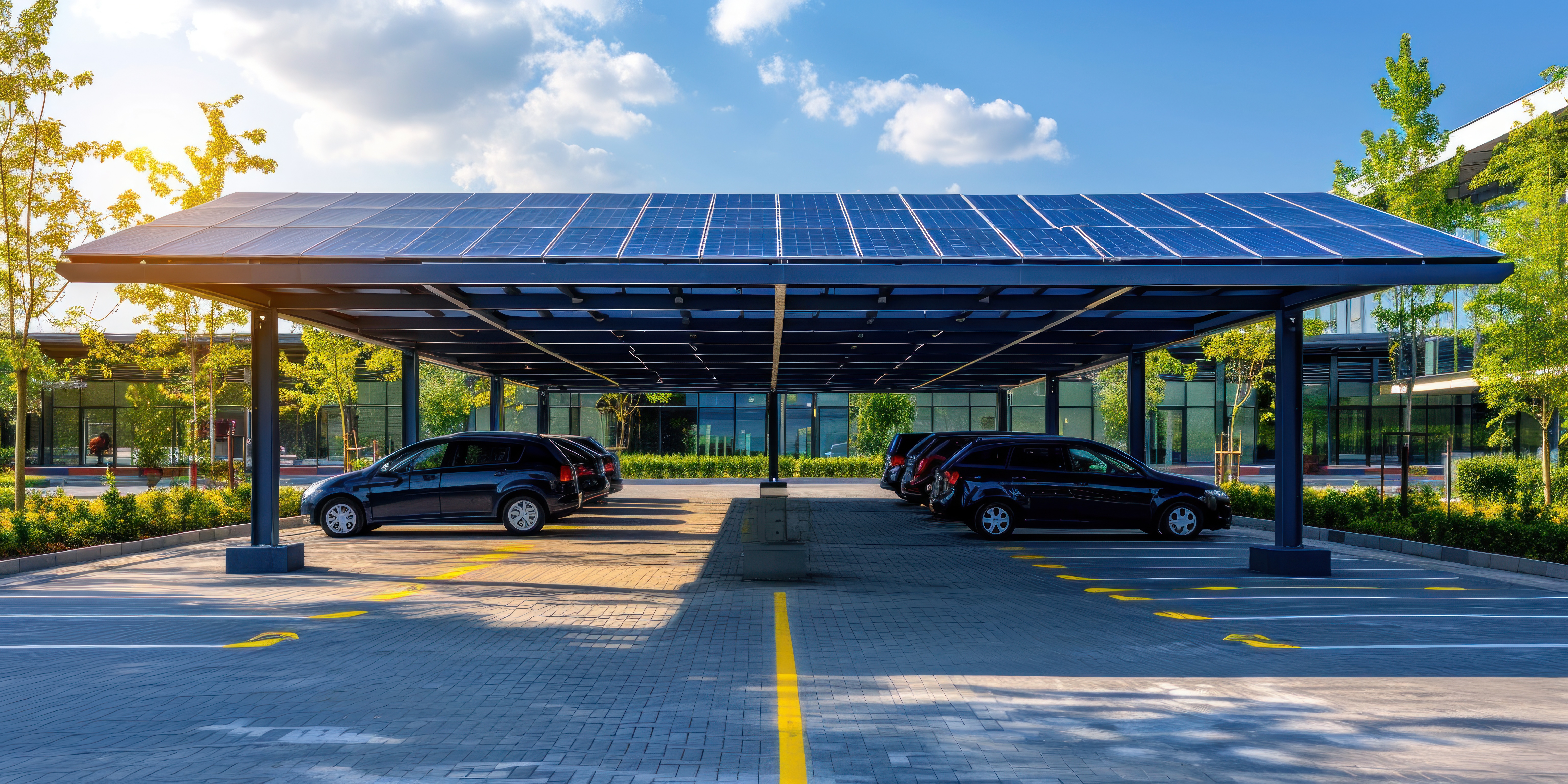
At SolarScape, we specialize in seamlessly integrating solar solutions into the core of architectural design. Our Building-Integrated Photovoltaic (BIPV) systems are engineered to meet both energy and aesthetic needs turning building elements into functional, power-generating surfaces. From transparent skylights and windows to solar facades, rooftops, and canopies, our advanced solar glass panels deliver clean energy while enhancing the structure's form and function. These smart integrations allow architects, developers, and contractors to design sustainable buildings without compromising on visual appeal. By rethinking the role of surfaces in construction, we help shape buildings that perform better and look better, contributing to a greener, future-ready environment.
Additional Advantages of SolarScape BIPV Solutions:
We offer a range of tints, transparency levels, and finishes to match your project's visual goals.
No extra land or surface is required — every integrated panel serves a dual purpose.
Each installed system helps decrease reliance on fossil fuels, promoting environmental responsibility.
Compared to crystalline silicon solar modules, Power Glass CdTe thin-film modules generate, on average, 5–10% more electricity annually.
Power Glass robust design can handle all kinds of weather conditions.
The temperature coefficient of CdTe thin film solar module is only about -0.21%/℃, as the traditional silicon solar module temperature coefficient reaches to -0.48%/℃. For most of high solar irradiance regions on earth, the temperature of solar module at working can reach to 50℃ or above. Thus this fact have greater impact to the conversion efficiency of crystalline silicon solar modules than CdTe thin film modules in real-life power-generation.